American soldiers may soon be joined on the battlefield by machine gun-toting robots on wheels, according to U.S. Army officials.
Earlier this month, military leaders attended a technology demonstration at Fort Benning, Ga., where robotics companies exhibited their most advanced weaponized creations. The display was designed to show the potential ways robots could support troops in combat.
Army leaders watched a human controller command a wheeled robot, positioned more than 490 feet (150 meters) away, open fire with an M240 machine gun. The robot, which also uses thermal-imaging technology to spot concealed enemies, could protect soldiers from potentially dangerous assaults.
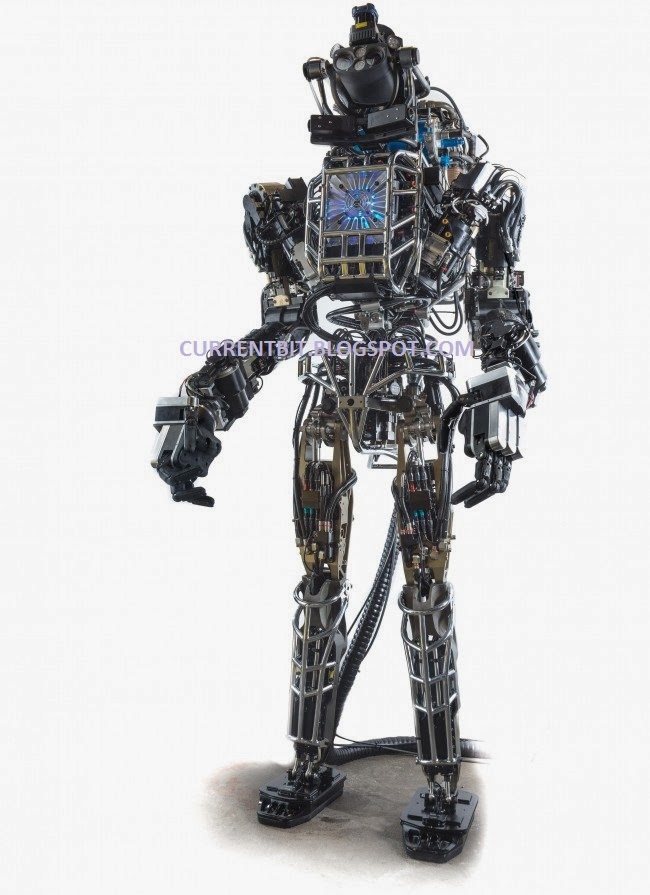
Humanoid robots fighting alongside troops on the battlefield may be some time off, the current wheel-bound creations already show strong promise, according to the Army.
"We were hoping to see how they remotely control lethal weapons," Lt. Col. Willie Smith, chief of unmanned ground vehicles at Fort Benning, told ComputerWorld of the technology demonstration. "We were pleased with what we saw here. The technology is getting to be where it needs to be. It's a start."
While gun-toting robots are not yet officially used by the military in combat, the U.S. Army and the U.S. Marines have experimented with prototype machines.